Source Flexible Stone Slate Wall Tile for Interior, Exterior, and Landscaping
Compare 30 Flexible Stone Slate Wall Tile options from verified Chinese manufacturers. Buyers can evaluate specifications, customization, and pricing for interior, exterior, and landscaping applications.
Key considerations
Products List


Fire-Resistant 3D Artificial Marble Slate Stones Artificial Stone Cladding Flexible Wall Tiles
$6.29 - $11.77
MOQ: 200 Square Meters


Wall Decor Clay Flexible Soft Cladding Stone Wall Tiles Flexible Stone
$6.29 - $11.77
MOQ: 200 Square Meters


Environmental, Breathable Artificial Exterior Wall Decoration Flexible Stone Wall Tiles
$23.00 - $28.00
MOQ: 200 Square Meters

Fireproof, Waterproof Artificial Exterior Wall Decoration Flexible Stone Wall Tile
$23.00 - $28.00
MOQ: 200 Square Meters

Resistant to Stress Artificial Exterior Wall Decoration Flexible Stone Wall Tile
$23.00 - $28.00
MOQ: 200 Square Meters


Low Installation Cost Artificial Exterior Wall Decoration Flexible Stone Wall Tile
$23.00 - $28.00
MOQ: 200 Square Meters


Slate Flexible Tile Soft Stone Wall Tiles External Veneer Stone
$8.99 - $15.00
MOQ: 100000 Square Meters



Comprehensive Sourcing Guide
Strategic Sourcing Guide for Flexible Stone Slate Wall Tiles
Understanding Product Composition and Technical Attributes
The term "Flexible Stone Slate Wall Tile" describes a specific category of building materials that combines the aesthetic appeal of natural stone with the physical properties of a flexible substrate. Based on available market data, these products are often distinct from traditional rigid stone. The core material composition frequently involves modified cement and fiber, which allows the tile to bend without fracturing. This composition is critical for applications where surface irregularities or curved architectural elements are present. Unlike rigid slate, which is prone to cracking under stress, these flexible variants offer a unique balance of durability and adaptability.
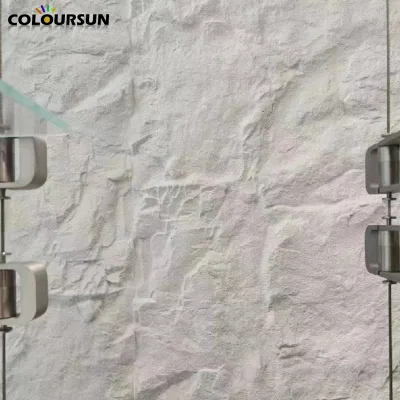
The physical dimensions of these tiles vary significantly depending on the specific model and manufacturer. Observed specifications indicate a wide range of lengths, typically spanning from 2 inches to 14 inches, with widths often ranging between 1 inch and 6 inches. Some standardized formats exist, such as 240mm by 60mm with a thickness of 2.5mm, while others offer larger panel sizes like 600mm by 1200mm or 1200mm by 3000mm. The surface finish is a crucial differentiator; buyers may encounter options ranging from polished surfaces to natural finishes. The luster is often described as semi-matt, providing a sophisticated look that avoids the high reflectivity of fully polished stone while maintaining a clean appearance.
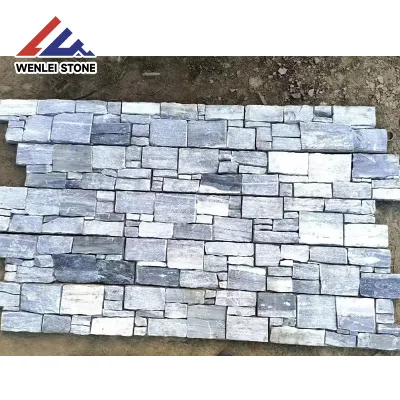
Color options are diverse, with brown and black being prominent in the current supply landscape. The surface treatment can vary, with some products offering split surfaces that mimic the natural texture of quarried stone. This split surface treatment is particularly valued for its ability to provide a tactile, non-slip quality while retaining the visual depth of natural slate. The product is generally classified as a solid surface material, designed to be cut-to-size to fit specific project requirements. This modularity allows for precise installation in complex environments where standard rectangular tiles would be difficult to manage.
Compliance, Certification, and Safety Standards
When sourcing flexible stone slate wall tiles, verifying compliance with international and regional standards is paramount. The presence of certifications such as CE (Conformité Européenne) indicates that the product meets specific safety, health, and environmental requirements for sale within the European Economic Area. Buyers should also look for ISO certifications, which signify adherence to international quality management standards. These certifications are not merely marketing tools; they serve as evidence that the manufacturing process has been audited for consistency and safety.
Fire resistance is another critical compliance factor. The material is often marketed as having incombustibility properties, making it suitable for both interior and exterior applications where fire safety is a concern. This characteristic is particularly important for commercial buildings, schools, and public spaces where building codes mandate non-combustible cladding materials. The product's function includes acid resistance, which is a significant advantage in environments exposed to chemical exposure or harsh weather conditions. This resistance ensures that the material maintains its structural integrity and aesthetic appearance over time, even when subjected to acidic rain or cleaning agents.
Standardization in production is evident in the use of specific model numbers such as LS-72, LSV-23, and various "FACING BPICK" series. These model identifiers often correspond to specific production standards, such as GB/T 18600, which relates to surface treatment and quality benchmarks. Buyers must verify that the specific batch they are purchasing adheres to these standards, as variations in production can lead to differences in performance. The origin of the product, often traced to regions like Guangdong Foshan or Linyi in China, can also influence the applicable standards, as different manufacturing hubs may adhere to varying local or export regulations.
Cost Drivers and Pricing Dynamics
The pricing of flexible stone slate wall tiles is influenced by a complex interplay of factors, including material composition, production complexity, and order volume. The observed price range in the market spans from approximately 0.85 USD to 30 USD per unit, reflecting the vast difference between basic models and high-end, custom-finished variants. This wide range underscores the importance of defining project requirements clearly before requesting quotes.
Material costs are a primary driver. The use of modified cement and fiber, combined with the specific surface treatments like split or polished finishes, adds to the base cost. Customization is a significant cost factor; products labeled as "Customized" or those with specific model numbers like "Rockface Sandstone" or "Han and Tang Ancient Bricks" often command higher prices due to the specialized production processes involved. The complexity of the edge processing, such as flat edges versus more intricate finishes, also impacts the final cost.
Order volume plays a decisive role in pricing. The Minimum Order Quantity (MOQ) ranges from as low as 2 units to as high as 100,000 units. Buyers purchasing in small quantities may face higher per-unit costs due to the inefficiencies of small-batch production. Conversely, large-volume orders can leverage economies of scale, significantly reducing the unit price. Packaging requirements also contribute to the overall cost. Standard export cartons with wooden frames or fumigated crates add to the shipping and handling expenses, particularly for international buyers.
Typical Applications and Design Versatility
Flexible stone slate wall tiles are highly versatile, finding applications across a broad spectrum of environments. Their primary usage includes floor, wall, landscaping, and decoration projects. The material's ability to conform to curved surfaces makes it ideal for modern architectural designs that feature non-linear elements. In interior settings, these tiles are commonly used in bathrooms, schools, and commercial spaces where durability and aesthetic appeal are essential. The "Eco-Friendly" advantage of these materials makes them increasingly popular in green building projects.
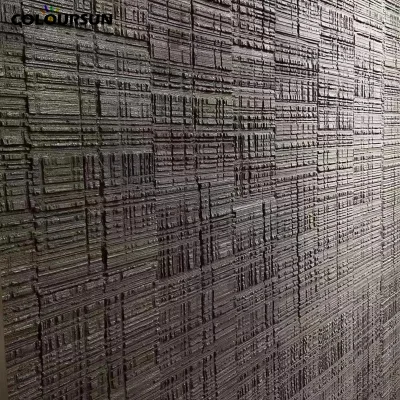
The design style of these tiles is predominantly modern, offering a sleek and contemporary look that complements current architectural trends. The "Stone Name" often refers to the visual texture, such as "Flexible Stone" or "Hemp Rope Stone," which provides unique textural contrasts. The application extends to both interior and exterior wall cladding, making them suitable for facades that require weather resistance and aesthetic longevity. The fire resistance and acid-resistant properties further expand their utility to industrial and high-traffic commercial areas.
In landscaping, the tiles can be used for decorative walls, garden paths, and retaining structures. The split surface treatment provides a natural, rugged look that blends seamlessly with outdoor environments. The ability to cut the tiles to size allows for creative designs that accommodate irregular shapes and angles. This flexibility is particularly valuable in renovation projects where existing structures may not align with standard tile dimensions.
Supplier Evaluation and Quality Assurance
Evaluating suppliers for flexible stone slate wall tiles requires a rigorous approach to ensure product quality and reliability. Buyers should prioritize suppliers who provide transparent information about their production standards and certifications. The presence of CE and ISO certifications is a strong indicator of a supplier's commitment to quality. Additionally, verifying the origin of the product, such as Guangdong Foshan or Linyi, can help buyers understand the manufacturing capabilities and logistical advantages of the supplier.
Quality control measures should be a central part of the supplier evaluation process. Buyers should inquire about the specific standards used during production, such as GB/T 18600, and request documentation that confirms compliance. The surface finish, edge processing, and color consistency are critical quality attributes that should be verified through samples or factory audits. The packaging method, whether it involves paper boxes, wooden pallets, or fumigated crates, is also an indicator of the supplier's attention to detail and ability to protect the product during transit.
Supplier reliability is another key consideration. Buyers should assess the supplier's capacity to meet order volumes, their lead times, and their ability to handle customization requests. The range of models available, from standard sizes to custom designs, indicates the supplier's flexibility and technical capability. Communication and responsiveness are also important factors, as they reflect the supplier's professionalism and commitment to customer service.
Long-Term Procurement Considerations and Maintenance
Long-term procurement of flexible stone slate wall tiles involves considering factors beyond the initial purchase price. The durability and maintenance requirements of the material are crucial for total cost of ownership. The acid-resistant and wear-resistant properties of these tiles ensure that they maintain their appearance and functionality over time, reducing the need for frequent replacements. The incombustibility feature adds a layer of safety that can lower insurance premiums and enhance the overall value of the building.
Maintenance of flexible stone slate wall tiles is generally straightforward. The semi-matt finish and natural surface treatments resist staining and are easy to clean. However, buyers should verify the specific cleaning recommendations provided by the supplier to ensure the longevity of the product. The ability to cut the tiles to size allows for easy repairs or replacements if damage occurs, minimizing downtime and maintenance costs.
Sustainability is increasingly important in procurement decisions. The eco-friendly nature of these materials aligns with green building initiatives and corporate sustainability goals. Buyers should look for suppliers who prioritize sustainable manufacturing practices and offer products with a low environmental impact. The use of modified cement and fiber materials often involves recycled or low-carbon components, further enhancing the sustainability profile of the product.
Comparative Analysis of Product Specifications
To assist buyers in making informed decisions, the following table summarizes key specifications observed in the market for flexible stone slate wall tiles. This comparison highlights the diversity in dimensions, finishes, and certifications available.
| Specification Category | Observed Range / Options | Notes |
|---|---|---|
| Dimensions (Length) | 2" - 14" | Common for split surface models |
| Dimensions (Width) | 1" - 6" | Standard for wall cladding |
| Large Format Sizes | 24060mm, 6001200mm, 1200*3000mm | Available for specific models |
| Thickness | 2.5mm | Standard for flexible variants |
| Surface Finish | Polished, Natural, Semi-Matt | Varies by model and customization |
| Edge Processing | Flat | Standard for most applications |
| Color Options | Brown, Black | Primary market offerings |
| Certifications | CE, ISO | Verify batch-specific documentation |
| Material | Modified Cement and Fiber | Defines flexibility and durability |
| Fire Resistance | Incombustible | Critical for commercial use |
| Chemical Resistance | Acid-Resistant, Antacid | Suitable for harsh environments |
| Packaging | Paper Box, Fumigated Crates, Wood Pallets | Depends on order size and origin |
This table serves as a reference point for buyers to compare different product offerings. It is essential to note that specific models may have unique attributes not listed here, and buyers should always request detailed technical data sheets for the specific products they intend to purchase. The diversity in specifications allows for tailored solutions that meet the unique requirements of various projects, from small residential renovations to large-scale commercial developments.
FAQs
What materials are used to make flexible stone slate wall tiles?
These tiles are made from modified cement and fiber, which allows them to bend without fracturing. This composition provides durability while mimicking the look of natural stone for various interior and exterior applications.
Can these tiles be used for exterior wall cladding?
Yes, the product is designed for both interior and exterior wall cladding applications. It features acid resistance and incombustibility, making it suitable for harsh weather conditions and commercial building facades.
What certifications do these flexible stone tiles hold?
The tiles often carry CE and ISO certifications to ensure safety and quality compliance. These marks indicate adherence to international standards for construction materials used in European and global markets.
How are the tiles packaged for export?
Packaging typically includes paper boxes with fumigated crates or standard export cartons with wooden frames. This ensures protection during transit and meets international shipping requirements for fragile building materials.
What is the available size range for these wall tiles?
Sizes range from 2 inches to 14 inches in length, with widths between 1 inch and 6 inches. Larger panel formats like 600mm by 1200mm are also available for specific project needs.
Which surface finishes are available for these stone tiles?
Available finishes include polished, flat, and natural split surfaces with a semi-matt luster. The split surface treatment offers a non-slip texture that mimics the rugged look of quarried stone.